
Teaching
Building data‑driven systems, and judging when their results deserve trust
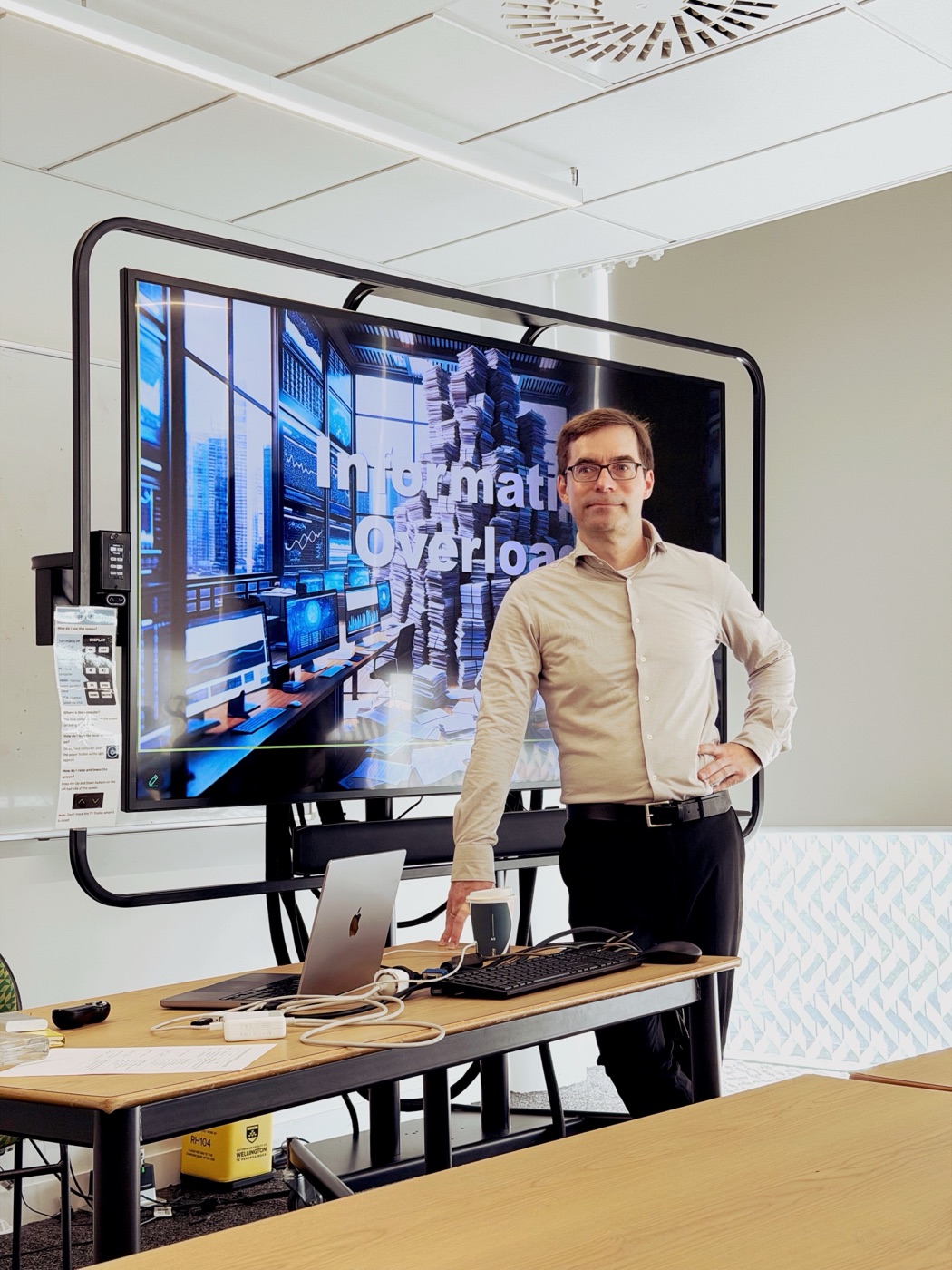
Students who understand variability, estimation and uncertainty can judge when a model’s output deserves trust. Without this foundation, machine learning and generative AI are easily used uncritically. My teaching therefore pursues one goal at all levels: graduates should be able to build data-driven systems and assess their results critically, by recognising assumptions, quantifying uncertainty and justifying design decisions.
Principles
- Computation first. Concepts are explored through simulation and real data in Python before they are formalised.
- Problems first. Every method is introduced through a business, societal or public-sector problem, together with its assumptions and limitations.
- Students as makers and reviewers. Students apply each method in team projects, compare their solutions in course competitions and assess each other’s work through peer review.
Teaching and research inform each other: preparing courses on new topics has repeatedly opened new research directions for me.
Recognition
- 2nd prize, university-wide teaching award of HWR Berlin (2026) for the Text, Web and Social Media Analytics Lab.
- Student teams from my courses have won the Bosch IoT Hackathon, the SAP DataGenius Challenge, the TDWI Award and the ControllingPlus+ Institute Award.
- The master’s programme Business Intelligence & Process Management, which I designed and have directed since 2014, attracts around 400 applicants from 49 countries for 24 places.
The BIPM master’s programme
The international master’s programme Business Intelligence & Process Management (BIPM) at HWR Berlin addresses students with a bachelor’s degree in business administration, Information Systems or computer science. It is built around two central questions: How can new insights be generated from data? (data science, machine learning, big data) and How can these insights improve business models and processes? (data-driven business models, digital processes).
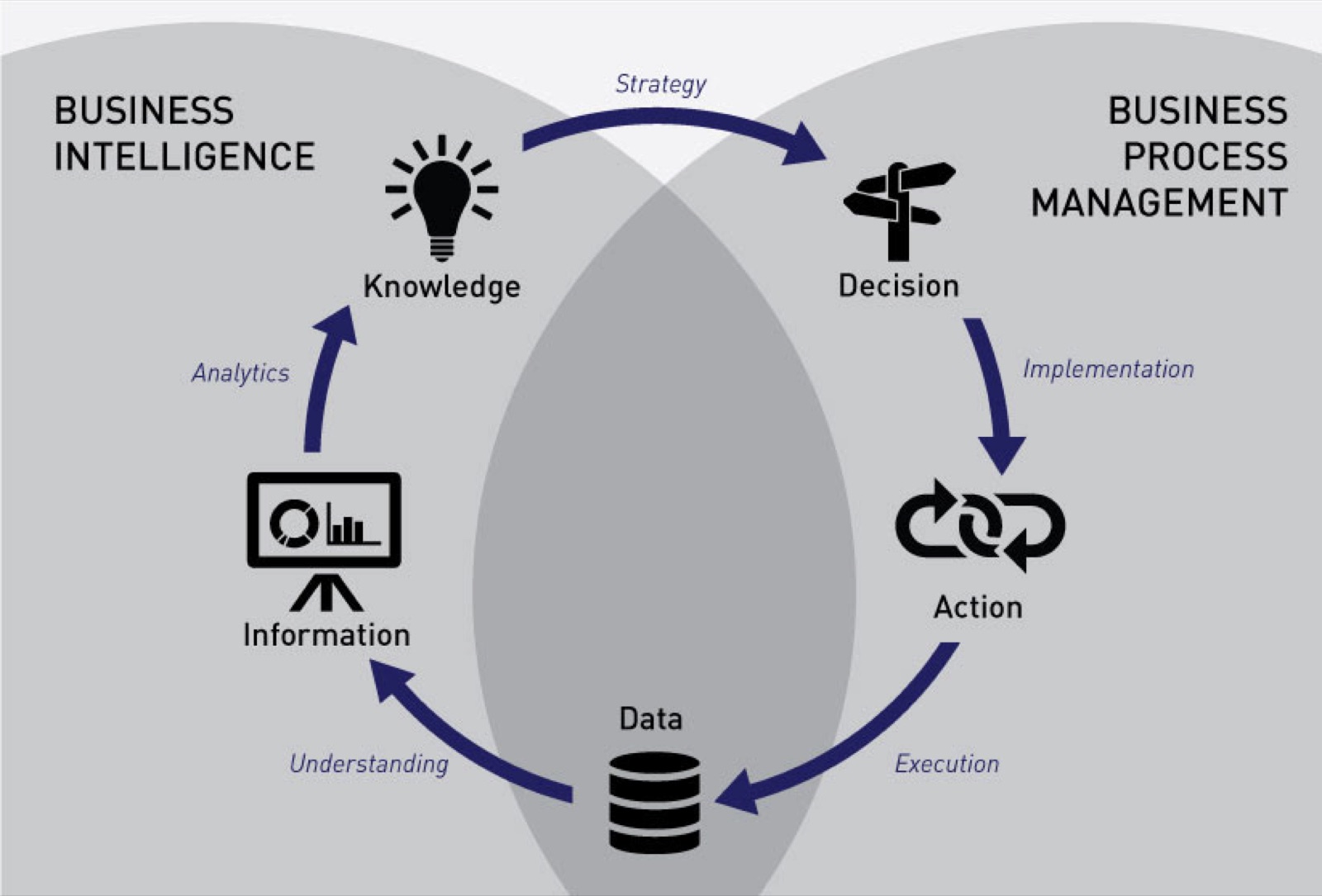
I designed the programme together with Prof. Frank Habermann and have directed it since 2014, responsible for curriculum design, accreditation, admissions and the integration of industry partners. Today it attracts around 400 applicants from 49 countries for 24 places. Practice projects with partners such as Deutsche Telekom, Toll Collect, HERE, Hamburger Hochbahn and Webtrekk are part of the curriculum, as are competitions and hackathons, in which BIPM teams have won the awards listed above.
Current courses at HWR Berlin
| Since | Course | |
|---|---|---|
| 2010 | Introduction to Data Analytics (BSc Information Systems, BSc Business Administration) | Visualisation, Python, data transformation with pandas, classification, clustering, explainable AI |
| 2023 | Data Science (MSc BIPM) | Pre-processing, regression, decision trees, random forests, boosting, explainable AI, causality, clustering, MLOps |
| 2015 | Text, Web and Social Media Analytics Lab (MSc BIPM) | Embeddings, transformers and LLMs, information extraction, semi-automated ontology learning, ontology-based retrieval-augmented generation |
| 2014 | Data Warehousing (MSc BIPM) | Data provisioning, data quality, data integration, dashboards, decision support |
| 2015 | Enterprise Architectures for Big Data (MSc BIPM) | Enterprise architecture management, semantic technologies, graph databases, stream processing |
| 2012 | Digital Business Models and E-Business (BSc, in German) | Design Thinking, product-market fit, data-driven business models, platforms and network effects |
| 2017 | Marketing Analytics (MSc Marketing Management) | Data analytics methods in practical projects |
| 2020 | Research Seminar (MSc BIPM and doctoral students) | Quantitative and qualitative methods, Design Science Research |
Earlier I taught Data Warehousing & Data Mining, Information & Knowledge Management, Electronic Business, Information Systems for the Financial Services Industry and IS Research Methods at the University of Twente (2006–2010), and coached Design Thinking tracks at the HPI School of Design Thinking (2010–2016).
Formats that make students active
- A Data Warehousing course that generates synthetic operational data to simulate business complexity.
- Internal Kaggle competitions in which teams compare solutions systematically.
- Flipped classrooms and pair programming.
- An interactive formula reference that explains each term of an equation, developed for the Data Science course.
- AI-audited statistics: students receive analyses generated by LLMs and check them by validating assumptions, reproducing results and identifying errors and overconfident claims. Generative AI becomes an object of critical analysis.
Supervision
I supervise around 20 bachelor’s and master’s theses per year on data-driven business models, semantic technologies, AI, natural language processing and large language models. Several have become conference papers with their student authors.
Completed doctoral dissertations
- Sebastian Hüttemann (2025, summa cum laude): Domain-Specific Knowledge Extraction and Synthesis for Literature Reviews
- Dallas Thornton (2024): Fighting Healthcare Fraud: Models and Techniques to Detect Fraud, Waste, and Abuse in Medicaid
- Elfi Furtmüller (2012): Using Technology for Global Talent Recruitment: Why HR/OB scholars need IS knowledge
- Julio Ibarra (2012): Impact of E-Infrastructure Stimulus on the Biodiversity Science Discipline: An Empirical Investigation
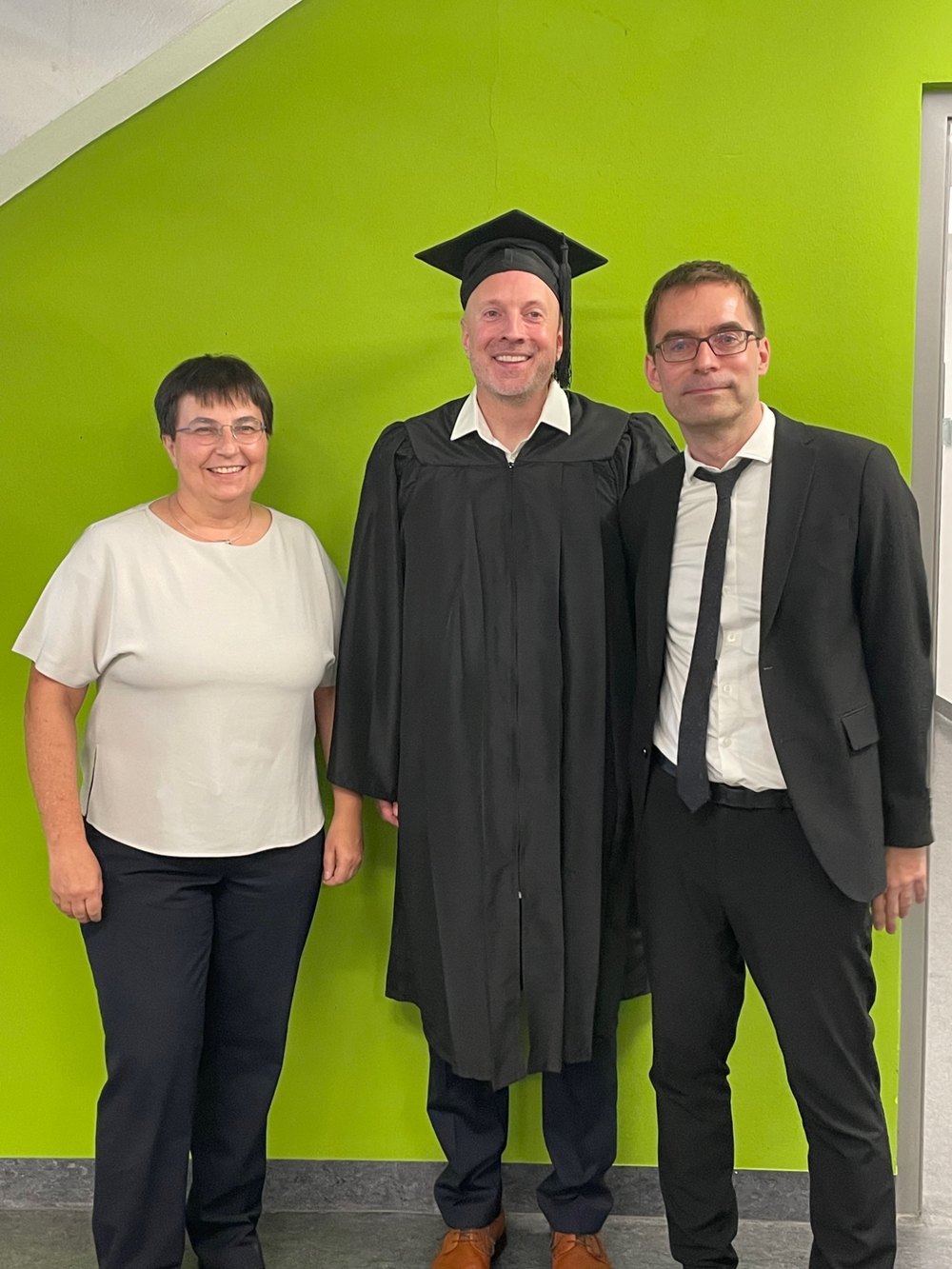
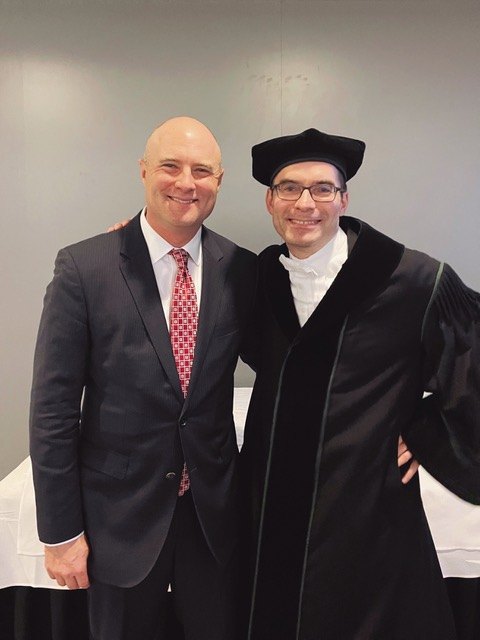
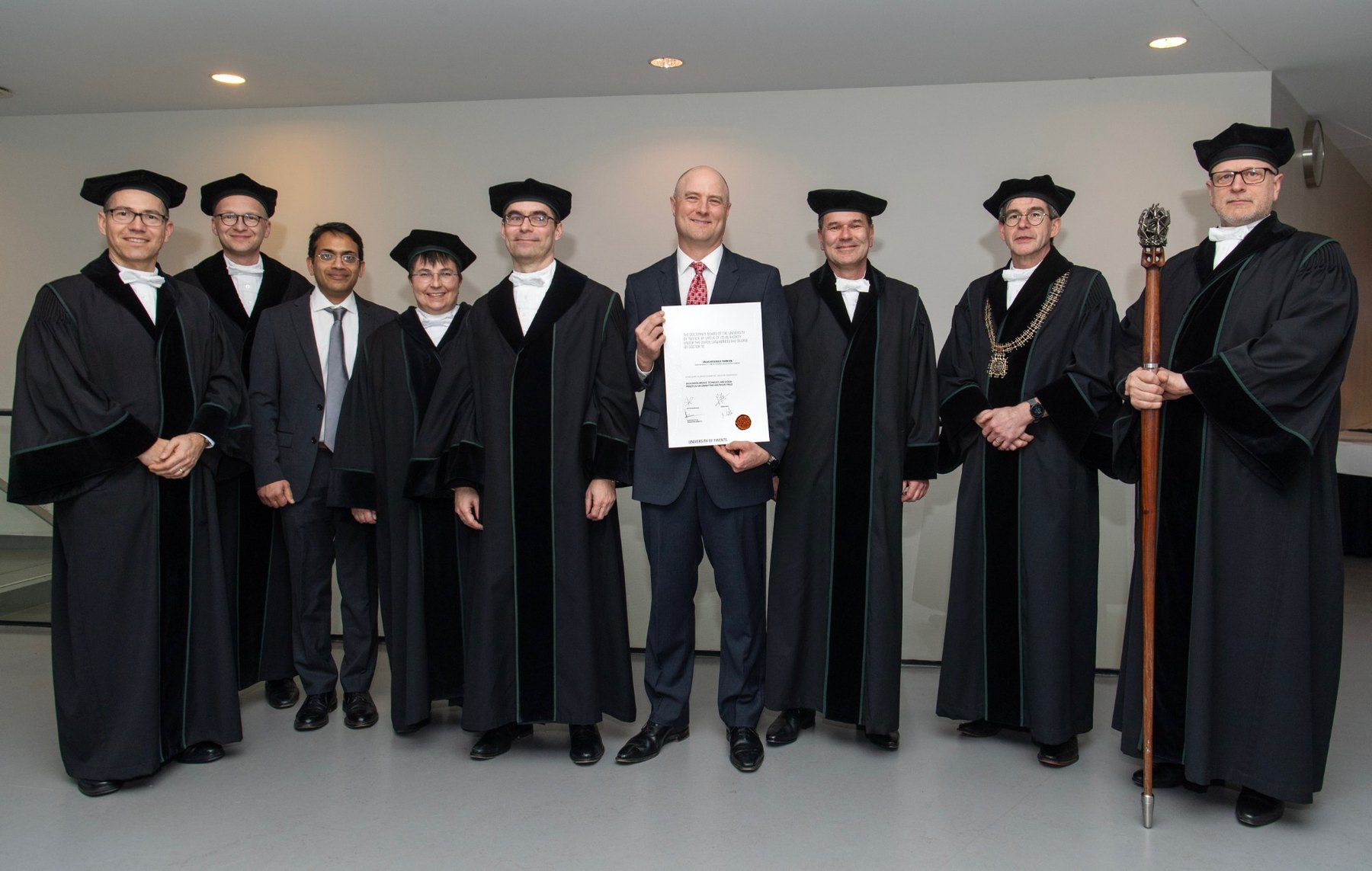
For doctoral students I offer research methods with an emphasis on design science research, measurement validity and the transparent reporting of computational studies.